You’ve probably read or heard us talk many times about our commitment to sustainability. But do you really know what we do—and why?
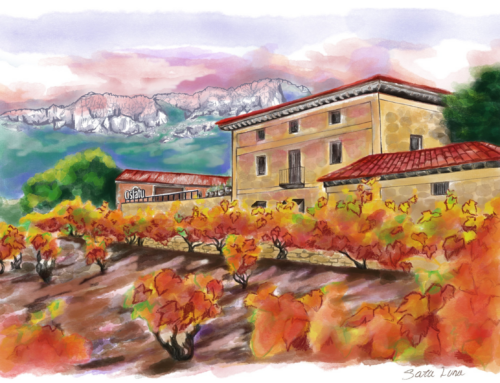
At Bodegas Ostatu, our vineyard is much more than just vines. It’s an ecosystem where every plant, insect, and bird plays a crucial role in soil health and grape quality. We’re committed to a style of viticulture that works with nature, not against it, incorporating regenerative practices and structures that promote biodiversity.
We cultivate biodiversity
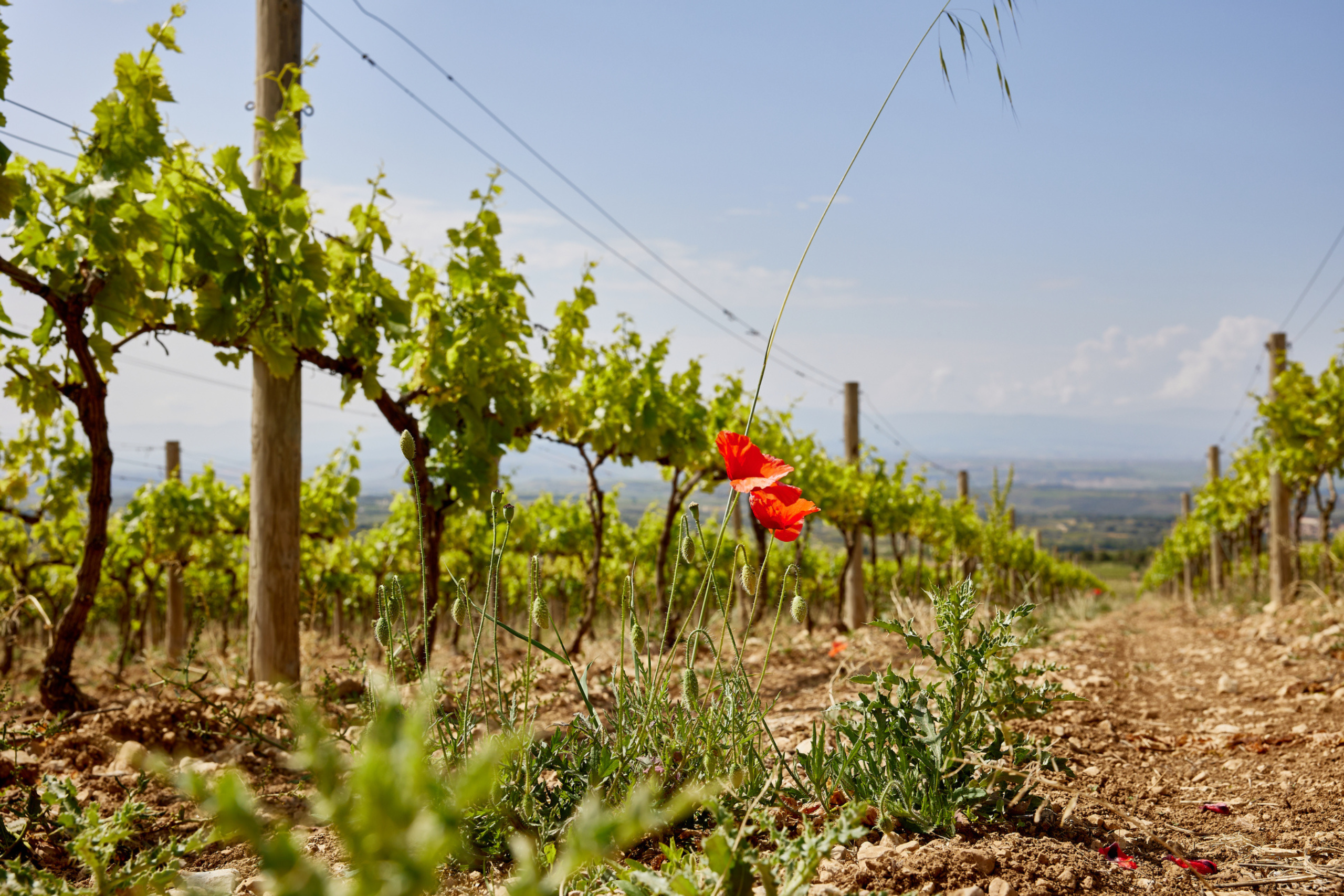
Our vineyard is certified organic, which means we work in harmony with nature, integrating it into our production system. We maintain plant cover in our plots, which protects the soil from erosion, improves its structure, retains rainwater more effectively, and provides shelter for beneficial insects.
We dedicate 6% of our vineyard surface to biodiversity conservation—refuge areas. These include small semi-natural habitats, hedgerows, and trees that enhance ecological connectivity between plots. The goal is to ensure spaces and corridors for biodiversity that strengthen the balance between flora and fauna, offering them shelter and room to thrive.
Our natural allies: insects, birds, and bats
The presence of auxiliary fauna is key to a balanced vineyard. To encourage it, we’ve installed insect hotels, butterfly and bird houses, and bat shelters over the years—creating safe habitats for these small but essential allies.
- Various species of detritivorous arthropods and decomposers help incorporate organic matter into the soil. Their presence supports ecological balance in the agroecosystem and serves as a bioindicator of environmental quality. Phytoseiid mites (family Phytoseiidae) are also key predators of harmful phytophagous mites.
- Pollinating insects like bees and butterflies promote plant diversity around the vineyard. Their visits aid plant regeneration and strengthen the ecosystem’s health.
- Insectivorous birds help control insect populations that could harm the vines, reducing the presence of green leafhoppers and harmful parasitoids, and minimizing the need for human intervention.
- Bats, voracious eaters of moths and other nocturnal insects, are natural allies in pest control—helping us avoid dependence on chemical products.
A vineyard with a future
Our commitment to vineyard regeneration is a long-term investment. We know that soil health and biodiversity are not isolated elements—they’re fundamental to a crop that can withstand climate change and produce wines with a true sense of place.
At Ostatu, every decision in the vineyard reflects a way of working that seeks quality without compromising environmental balance. Because we believe the best wine is a living wine, born from living soil.
Now comes the most anticipated moment. These days, the vineyard speaks to us—it shows how it has responded to the summer climate, how the clusters have developed, and what decisions we must make to ensure the harvest reflects the best of our land. The countdown to the 2025 harvest has begun.